
Turn Community Into a Marketing Strategy
But some coffee brands are taking that behavior a step further.

20 Coffee Shop Branding Ideas
Coffee Shop Branding Ideas: 20 Ways to Build a Memorable Coffee Brand

Starting a Coffee Club Event Business
The Ultimate Guide to Starting a Coffee Club Event Business
Whether you're organizing monthly coffee meetups, hosting guest DJs, creating branded merchandise, or building a community-focused brand like Common Ground, a coffee club can become much more than a place to drink coffee.

👉 Download the Free Coffee Icon Starter Pack below.
Coffee clubs have evolved far beyond casual meetups.
Today, coffee communities are becoming local brands, creative networks, lifestyle movements, and event businesses that bring people together through shared experiences. Whether you're organizing monthly coffee meetups, hosting guest DJs, creating branded merchandise, or building a community-focused brand like Common Ground, a coffee club can become much more than a place to drink coffee.
This guide will walk you through how to start, grow, and monetize a modern coffee club event business.
People are looking for genuine connection.
While social media helps people stay connected online, many individuals still crave face-to-face experiences with like-minded people.
Coffee clubs create opportunities for:
Networking
Friendship
Collaboration
Community building
Creative inspiration
Unlike traditional business networking events, coffee clubs offer a relaxed environment where conversations happen naturally.
A modern coffee club is a recurring community event centered around coffee culture, conversation, and shared interests.
Some clubs focus on:
Entrepreneurs
Creatives
Designers
Musicians
Fitness enthusiasts
Local communities
Others combine coffee with music, workshops, guest speakers, or social experiences.
The goal is not simply serving coffee.
The goal is creating a community people want to return to.
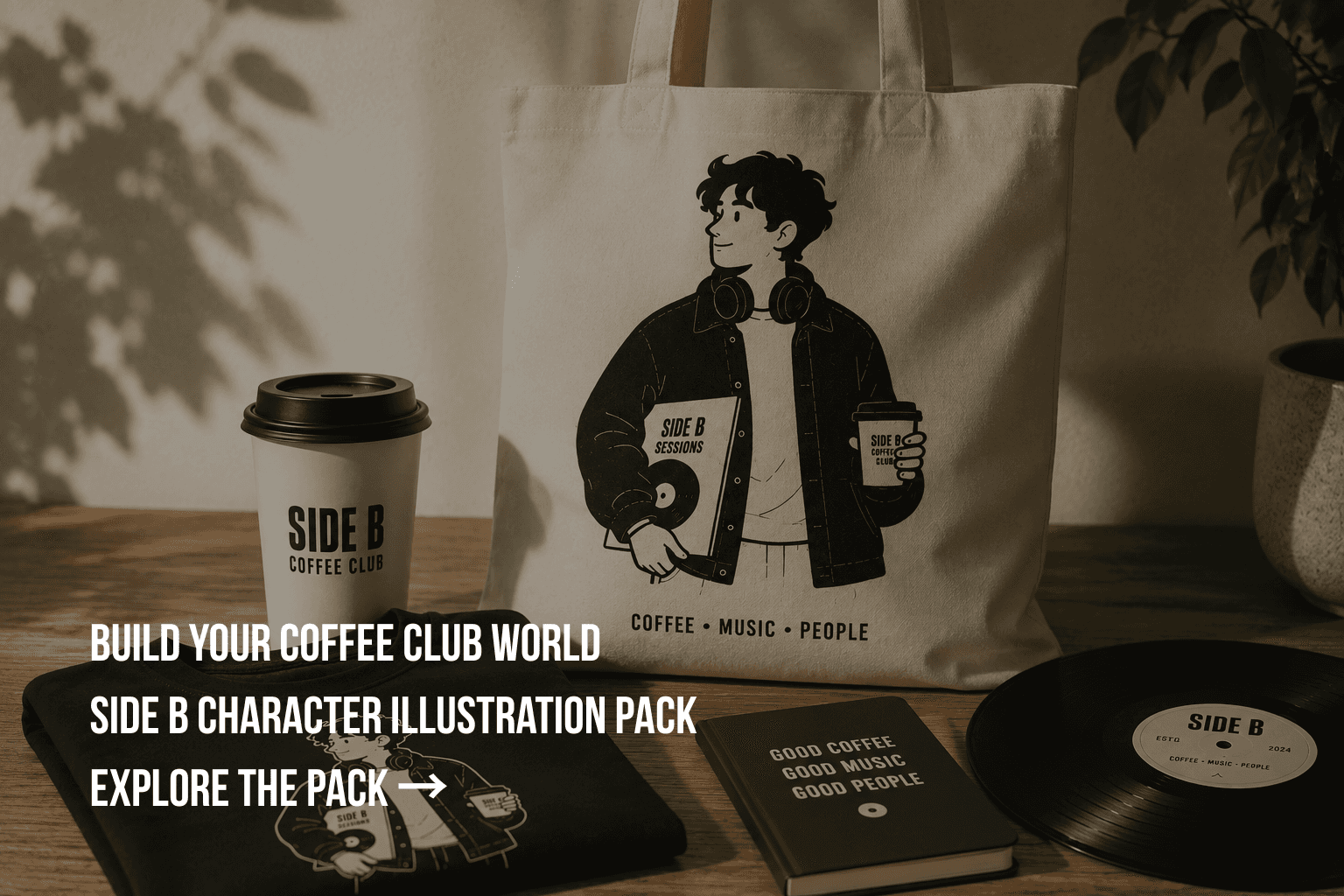
Successful coffee clubs often develop a clear identity.
Examples include:
Casual networking and community building.
Featuring local DJs and curated playlists.
Designed for photographers, designers, artists, and creators.
Focused on entrepreneurs and local business owners.
Relaxed weekend gatherings with a strong lifestyle focus.
A defined theme helps people understand why they should attend.
Free Coffee Icon Starter Pack
Looking for professional coffee icons for your next branding project? Download our free Coffee Icon Starter Pack featuring five original icons designed for coffee shops, Coffee Clubs, packaging, menus, websites, social media, and merchandise.
You do not need a large venue to get started.
Many successful coffee clubs begin with:
Local coffee shops
Shared creative spaces
Outdoor patios
Community centers
Home-based gatherings
Focus on creating an atmosphere where guests feel comfortable meeting new people.
Event name
Date and time
Venue
RSVP process
Coffee service
Music or entertainment
Photography
The experience matters more than the crowd size. Twenty engaged attendees are often more valuable than one hundred disconnected guests.
Many organizers underestimate the power of strong event promotion.
A well-designed coffee club poster can:
Build anticipation
Increase attendance
Strengthen brand recognition
Create social media content
Attract new members
The strongest event posters include:
Clear event title
Date and time
Location
Featured guest or DJ
Consistent branding
Over time, attendees begin recognizing your event before they even read the details.
One of the fastest-growing event formats combines coffee culture with music.
A guest DJ can help create:
Better atmosphere
Longer guest engagement
More social sharing
Stronger community identity
Coffee and music naturally complement each other because both encourage people to slow down and enjoy the experience.
These events are particularly popular among creative professionals, students, and young entrepreneurs.
The most successful clubs eventually become recognizable brands.
Strong branding includes:
A memorable name
Consistent logo
Event posters
Photography style
Merchandise
Social media presence
Brands like Common Ground are examples of how a simple meetup concept can evolve into a lifestyle-focused community.
People join communities.
They stay because they feel connected to the culture.
Many organizers start with community as their primary goal.
Over time, additional revenue opportunities often emerge.
Designing a Coffee Brand?
Whether you're creating a logo, product packaging, café menu, event poster, or social media graphics, having a consistent icon set can save hours of design time.
Explore our free Coffee Icon Starter Pack and see how these icons can help bring your coffee brand to life.
Charge a small fee for special events featuring guest DJs, workshops, or guest speakers.
Partner with:
Coffee roasters
Local businesses
Creative agencies
Lifestyle brands
Community merchandise can become one of the strongest brand-building tools.
Examples include:
T-shirts
Hoodies
Tote bags
Mugs
Stickers
Members often become ambassadors when they proudly wear or use club merchandise.
Host educational sessions covering:
Brewing techniques
Coffee tasting
Content creation
Networking
Entrepreneurship
Every event creates opportunities for content.
Capture:
Lifestyle photography
Community moments
Event recaps
Member spotlights
Behind-the-scenes footage
This content helps attract future attendees while reinforcing the club's identity.
The strongest coffee clubs focus on consistency.
A recurring monthly event often performs better than trying to host large-scale events occasionally. Community grows through repetition.
Every event should help attendees:
Meet new people
Build relationships
Learn something new
Feel welcome
When people consistently have positive experiences, they naturally invite others.
Coffee clubs are no longer just gatherings for coffee enthusiasts. They are becoming community brands built around culture, creativity, conversation, and connection.
Whether you're hosting small meetups, launching a coffee and music series, creating merchandise, or building a recognizable lifestyle brand, success comes from focusing on people first.
Coffee may bring people through the door.
Community is what keeps them coming back.
But some coffee brands are taking that behavior a step further.
Coffee Shop Branding Ideas: 20 Ways to Build a Memorable Coffee Brand